
What Light Carpentry Work Looks Like Before Painting
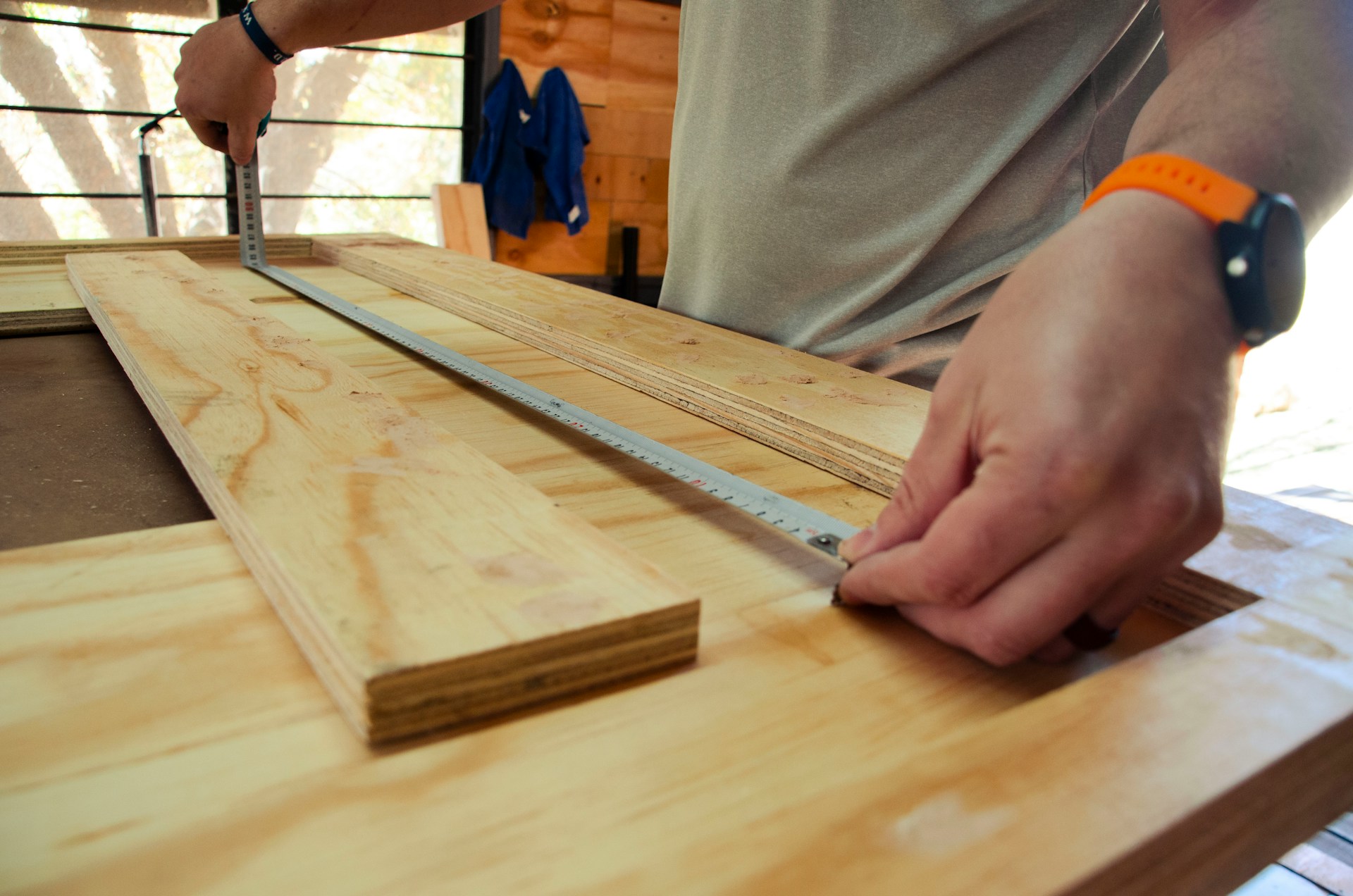
Light carpentry may sound small, but it plays a big part in getting homes paint-ready. Before any painter opens a can or tapes off a corner, there’s often a lot of woodwork that needs touching up or fixing first. A cracked baseboard or chipped molding might not seem like much, but those little flaws can ruin what could have been a smooth, long-lasting paint job.
For homeowners in places like Boynton Beach, where the weather can be humid and the sunlight intense, exterior wood especially takes a beating over time. Inside or out, light carpentry helps the paint go on better, and stay looking good longer. Here’s a look at what kinds of fixes usually come first when we’re getting ready to add fresh color to your home.
Surface Repairs to Trim and Molding
Trim and molding are often the first spots we check before painting a room. These finishing details play a big visual role, framing walls and highlighting architecture. But they often get dinged up pretty easily, especially with kids, pets, or heavy foot traffic in the house.
We usually start by looking for loose sections that have pulled away from the wall. Gaps between trim and drywall don’t just look sloppy, they also leave room for paint to seep behind them. When that happens, you get peeling or uneven lines. So any loose section gets reattached first.
Then there’s the matter of cracks or chips. Common spots include baseboards near tile or hardwood and crown moldings in rooms with high humidity. These areas need to be patched or replaced based on the damage. For small imperfections, we fill and sand them smooth. For deeper cracks or broken off sections, we may cut a new one and install it correctly. Once everything is sanded clean, we’re set for nice, sharp paint lines.
Replacing or Re-securing Damaged Wood Panels
Sometimes we encounter warped or split wood, especially in older homes. Paneling in hallways or bathroom wainscoting can shift or lift over time. If we painted over that damage, the flaws would remain visible, and the paint might not hold well.
Instead, we’ll check each panel and gently reset or replace anything loose. Wood that’s pulling away from the wall gets reattached, and if any piece is cracked beyond repair, we swap it out. It’s small work, but it makes a big difference in how the final wall looks and feels.
This step is where light carpentry really helps prevent future problems. Without these adjustments, paint can start to flake or bubble where the wood underneath isn’t solid or secure. Fixing that ahead of time keeps the surface firm and smooth.
Repairing Cabinets and Built-Ins Before Paint
Cabinet painting always makes a space feel fresh, but only if the surfaces underneath are solid. Before we add primer or color to built-ins or kitchen cabinets, we go over every surface and joint to catch issues early.
Drawers that don’t sit evenly? We adjust them. A cabinet door that hangs a little crooked or wobbles when opened? We tighten and realign. Over time, hardware can loosen and cause drawers to stick or drift. Painting over that doesn’t solve the problem, it hides it.
We also look for small chips along edges or around shelving brackets where wood has splintered or worn thin. Light carpentry addresses those weak spots, fills any damage, and evens out the structure so the final finish looks clean and solid.
Homeowners often forget about the feet or base of a cabinet, but these areas matter too. If they’re cracked or missing trim, the whole look can feel unfinished. That’s why cabinet prep is just as important as wall work when it comes to painting.
Patching Nail Holes, Dents, and Wood Gaps
Over the years, homes naturally collect small marks. Picture frames get moved, furniture bumps into walls, or a doorknob creates a tiny dent by accident. All of that tends to leave behind holes or surface damage, especially in wooden parts of the interior.
We walk through and patch anything that stands out. Nail holes are quick fixes, but only if the wood itself isn’t splintering around the hole. We check for larger dents too, like the kind a chair back might leave in wood paneling or chair rail trim.
One thing we pay close attention to is wood seams or joints that have spread apart. Sometimes in areas with wide temperature swings, these gaps can appear where boards meet. Filling those with the right product and reshaping the surface helps achieve a seamless appearance once the paint goes on.
Clean, finished wood is much easier to paint, and the end result is far more polished. These fixes take time, of course, but they’re worth it, especially when you want a sharp and solid final look.
Prepping Outdoor Trim and Fascia Boards
Fall in South Florida is a good window for an exterior painting project. The rainy season starts slowing, and the weather cools down a bit. But paint won’t hold up outside if the wood underneath isn’t sound, and that’s why outdoor carpentry prep matters.
Trim around windows and doors collects moisture, and Boynton Beach humidity ramps that up. We inspect for soft or rotting areas that can’t support paint and are likely to peel again later if left untreated. Fascia boards along the roofline also take direct sun and rain exposure. If they’re chipped, splitting, or pulling away, we fix those before paint is applied.
We also look at soffits, especially in older homes. These horizontal sections under the roof edge often get overlooked, but if they’re cracked or sagging, they’ll only look worse once painted. Light carpentry here gives your whole exterior a neatly finished look that lasts across seasons.
For any outdoor painting project, wood repairs help block water, resist sun fading, and improve the paint’s grip. Skipping that step often means repainting sooner than planned.
Why These Fixes Make Every Paint Job Better
When light carpentry is part of the prep, painters don’t have to pause work later for repairs, they can focus on painting cleanly and efficiently. It also means paint sticks better and looks better, whether indoors or outside.
Taking care of these fixes ahead of time protects your home and helps the new paint last longer through wear, weather, and daily activity. And since none of us want to repaint sooner than we have to, this kind of prep pays off in the long run.
Every detail we patch, refit, or smooth helps bring out the best in your paint job. Light carpentry may be behind the scenes, but it’s what sets the stage for long-lasting results.
Planning a paint job in Boynton Beach starts with fixing what’s underneath, and our focus on light carpentry makes that step easier. At Benchmark Painting, we handle the details like loose trim, soft wood, or cabinet frames that need adjusting before we ever bring out a brush. That way, your home not only looks great now—it stays that way.
