
Best Exterior Paint Colors for Boynton Beach Homes
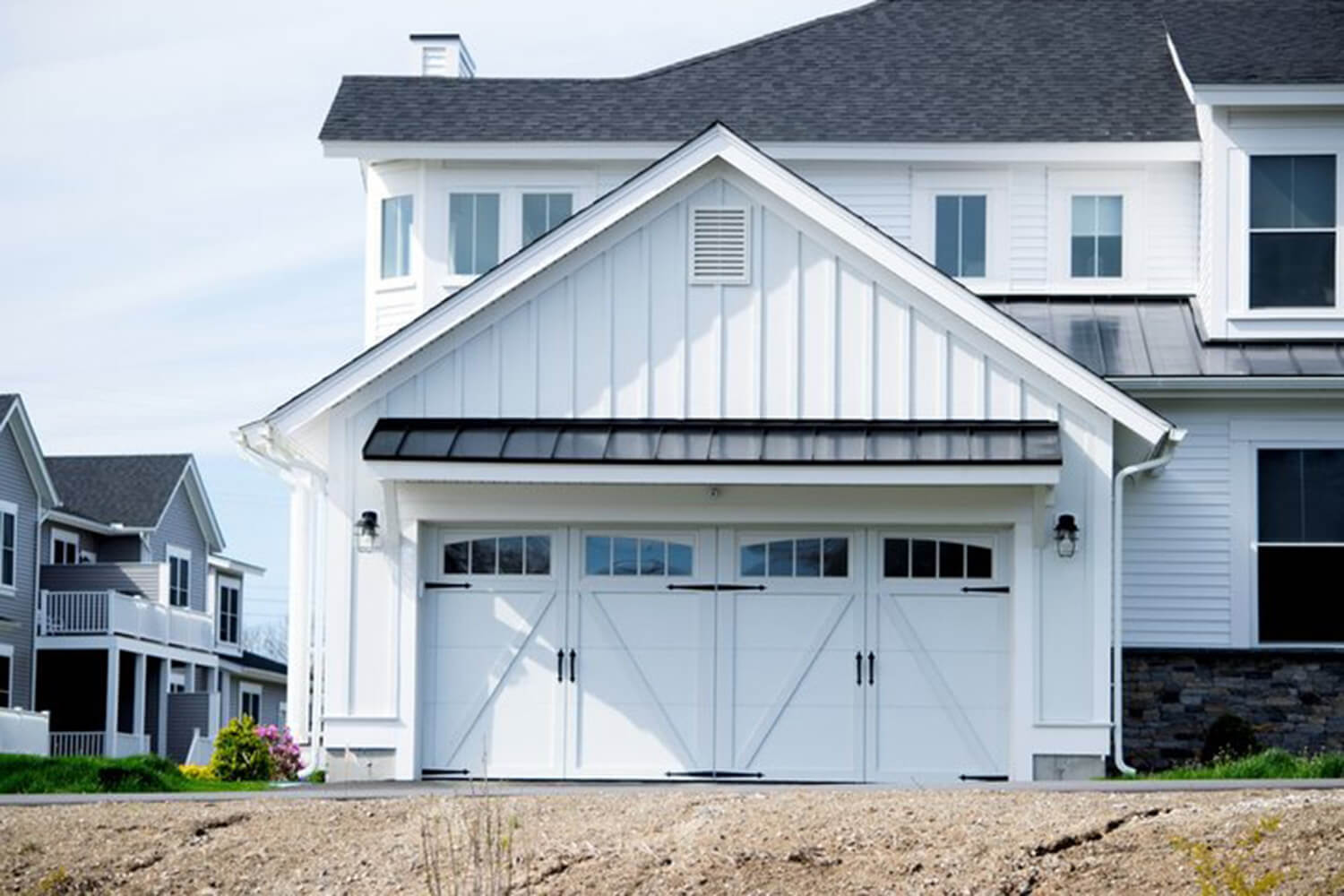
Choosing an exterior paint color feels like it should be straightforward — until you realize how quickly the wrong choice fades, chalks, or clashes with everything around it. In Boynton Beach, the stakes are higher than most color guides account for. Intense UV, year-round humidity, and salt air put paint under sustained stress that accelerates failure faster than homeowners expect.
The best exterior paint colors for Boynton Beach homes are not just the ones that look good on a swatch. They are the ones that hold up against conditions most paint selections are never tested for. And finding them requires more than a personal preference — it requires understanding how South Florida’s climate, your home’s fixed elements, and your neighborhood’s guidelines all shape what actually works.
This guide covers what a professional painter looks at when advising on exterior color for homes in this market — from which color families perform well in coastal conditions to how sun exposure direction affects the way a color reads on your walls.
What Makes Choosing Exterior Paint Colors Different in South Florida
Color selection in South Florida is a performance decision before it is an aesthetic one. The region’s UV index ranks among the highest in the country, and the effect on exterior paint is significant. Darker and more saturated colors absorb heat rather than reflect it. On a south-facing wall in Boynton Beach, a color that looked rich and intentional on the chip can look washed out within a few years — not because it was a bad color, but because it was not the right color for this environment.
Humidity and salt air add another layer of stress. When paint coverage is thin or adhesion is compromised, moisture finds its way in. Salt air accelerates that breakdown, particularly within a few miles of the coast. The result is paint that ages faster than the timeline most homeowners plan around.
Lighter colors behave differently under these conditions. They reflect UV rather than absorb it, which means less heat buildup in the paint film and slower degradation overall. A lighter color in this climate is not a conservative choice — it is a practical one. Darker tones and deep accent colors have their place, but a professional understands where that works and where it becomes a maintenance liability within a few years.
That is the lens this guide is written from. Every recommendation that follows is grounded in what holds up in Boynton Beach’s climate, not just what looks good in isolation.
How Fixed Elements Shape the Color Decision
Before evaluating any color, a professional looks at what cannot be changed. The fixed elements of a home set the boundaries of the decision — and ignoring them is the most common reason a color that looked right in theory creates conflict on the finished home.
The elements that matter most:
- Roof color — typically the most dominant fixed element. A terra cotta or weathered brown roof pulls the palette toward warm tones. A gray or charcoal roof opens options toward cooler neutrals and blues.
- Stucco texture — a heavy texture creates shadow and makes colors read slightly darker at scale than they appear on a swatch or sample card.
- Driveway material — warm concrete, brick pavers, and natural stone each carry undertones that interact with the wall color at the point where they meet.
- Window frames and trim — existing aluminum frames or shutters in bronze, white, or dark finishes either expand or limit which body colors read cleanly against them.
- Mature landscaping — large trees, tropical plantings, and ground cover create a color environment the home sits within. A color that fights the landscape rarely looks settled.
The practical point is simple. A professional color consultation does not start with a favorite swatch — it starts here. Getting the fixed elements right first turns an overwhelming number of options into a manageable range.
How HOA Guidelines Narrow the Palette
For many Boynton Beach homeowners, HOA guidelines are the single most important filter in the color selection process — and the one most often looked at too late. Boynton Beach has a high concentration of HOA-governed communities, and most of them maintain an approved color palette. Choosing outside that palette does not just risk a fine — it can mean repainting at the homeowner’s expense before the job is even fully dry.
The good news is that HOA palettes in this area tend to be well-suited to the environment. They skew toward light neutrals, warm tones, and muted coastal colors — not arbitrarily, but because those are the colors that hold up visually and perform well in the climate over time. The restrictions tend to eliminate the choices most likely to create problems.
Pulling the HOA color guidelines before getting attached to a direction is the practical first step. Many homeowners find their options narrow considerably once they see what is and is not approved — and that narrowing actually makes the decision easier. Fewer options with a reason behind them is simpler to navigate than an open palette with no constraints.
Think of HOA guidelines less as a creative limitation and more as a starting framework. The right color is still in there — it just takes less searching to find it.
How Sun Exposure Affects the Way a Color Reads
In most climates, sun exposure is a minor consideration in color selection. In Boynton Beach, it is not. The intensity of South Florida’s sun is high enough that the same color can read noticeably differently depending on which direction a wall faces — and that difference matters when the goal is a home that looks consistent and intentional from every angle.
South- and west-facing elevations take the most direct sun throughout the day. West-facing walls in particular absorb intense afternoon sun, which causes colors to fade faster on that exposure than on shaded or north-facing sides. A color chosen primarily for how it looks on the front of the home may look lighter, more washed out, or simply different on the side elevation within a few years.
The other issue is how light affects color perception in the moment. A color that looks warm and grounded on a shaded sample board can read as blown out or overly bright on a fully sun-exposed wall at midday. Conversely, a color that looks too light indoors can look exactly right in full South Florida sun.
This is one of the clearest arguments for an on-site professional assessment before committing to a color. What a color looks like on a neighbor’s home, on a sample card, or even on a test patch in the shade is not necessarily what it will look like on every elevation of a specific home at every point in the day.
The Best Exterior Paint Colors for Boynton Beach Homes
The color families below all perform well in South Florida’s climate while giving the home genuine curb appeal. Each one holds up in the environment and fits comfortably within HOA palettes common in this market.
Soft Whites and Crisp Off-Whites
White and near-white tones are the most common exterior colors in Boynton Beach, and for good reason. They reflect UV effectively, read cleanly against the bright South Florida sky, and complement virtually every roof color and landscape condition common in the area.
The distinction between a soft white and a crisp off-white matters more in this climate than most places. Soft whites carry a slight warmth — cream-adjacent tones that look natural against stucco and lush tropical landscaping. Crisp off-whites sit closer to bright white and read sharper, which works well on homes with more defined architectural lines.
One thing to watch: stark, bright whites can look harsh in full South Florida sun. A touch of warmth in the tone typically reads better at full scale than it does on a chip.
Warm Tans and Sandy Neutrals
Warm tans and sandy neutrals fit the coastal environment naturally. They echo the palette of the landscape and tend to feel settled and considered rather than defaulted to.
These tones pair well with the rooflines common in Boynton Beach housing stock:
- Terra cotta and warm brown roofs — sandy neutrals complement without competing
- Weathered gray roofs — warmer tans keep the palette grounded rather than cold
- Aged stucco — warm undertones in the paint work with the natural variation in the surface
The range within this family runs from pale sand to a deeper warm khaki. Staying toward the lighter end keeps the UV performance advantage while still giving the home warmth and distinction.
Coastal Blues and Soft Blue-Greens
Soft blues and blue-greens suit coastal South Florida well and show up consistently in HOA-approved palettes throughout Boynton Beach communities. They work best when they stay muted and light rather than saturated and bold. A dusty or weathered blue reads as intentional and refined. A vivid blue reads as aggressive at scale and fades poorly under sustained UV.
Blue-greens pair particularly well with white trim and the natural greens of tropical landscaping. They are a strong choice for homes with a clean architectural profile and a roofline that skews neutral or gray.
Warm Grays and Greiges
Warm grays and greiges hit a balance between modern and traditional that works in coastal South Florida. They look current without reading as trendy — important for a color that needs to last.
Undertone is the critical variable here. A gray with a blue or purple undertone can look cold and out of place against stucco and tropical landscaping. A gray with a beige or taupe undertone stays grounded in the environment and reads as intentional rather than institutional.
Muted Greens and Earthy Tones
Muted greens — sage, eucalyptus, soft olive — work naturally in the South Florida landscape because they echo the vegetation rather than compete with it. Muted greens are showing up more across coastal palettes and age gracefully when the tone stays light and desaturated. Deeper greens absorb more heat and fade unevenly in high-UV conditions, so staying toward the lighter end of this family is the right call.
Earthy tones — warm ochres, soft clay, dusty terracotta used as accents — can work well when the architecture supports it and the fixed elements align. One practical note: these tones sit closer to the edge of HOA approval in many Boynton Beach communities. Verifying before committing is worth the step.
The Right Color Starts With the Right Conversation
The best exterior paint color for a Boynton Beach home is not the one that looks best on a swatch. It is the one that works with the fixed elements of the property, clears HOA approval, holds up on the elevations with the most sun exposure, and performs in a climate that will test it every day. That intersection is where the right color lives — and getting there takes more than a personal preference and a trip to the paint store.
Working through the considerations in this guide puts a homeowner in a much stronger position before that conversation with a professional happens. The fixed elements are identified. The HOA palette is pulled. The sun exposure on each elevation is understood. What remains is translating all of that into a specific direction for a specific home.
That is exactly where a professional color consultation adds the most value. If your exterior is showing its age or you want to get the color decision right before committing to a repaint, we’d welcome the chance to take a look. Reach out today to schedule a professional color consultation or exterior painting project — we’ll give you an honest read on what works for your home and why.
