
How a Professional Cabinet Painter Handles Older Finishes
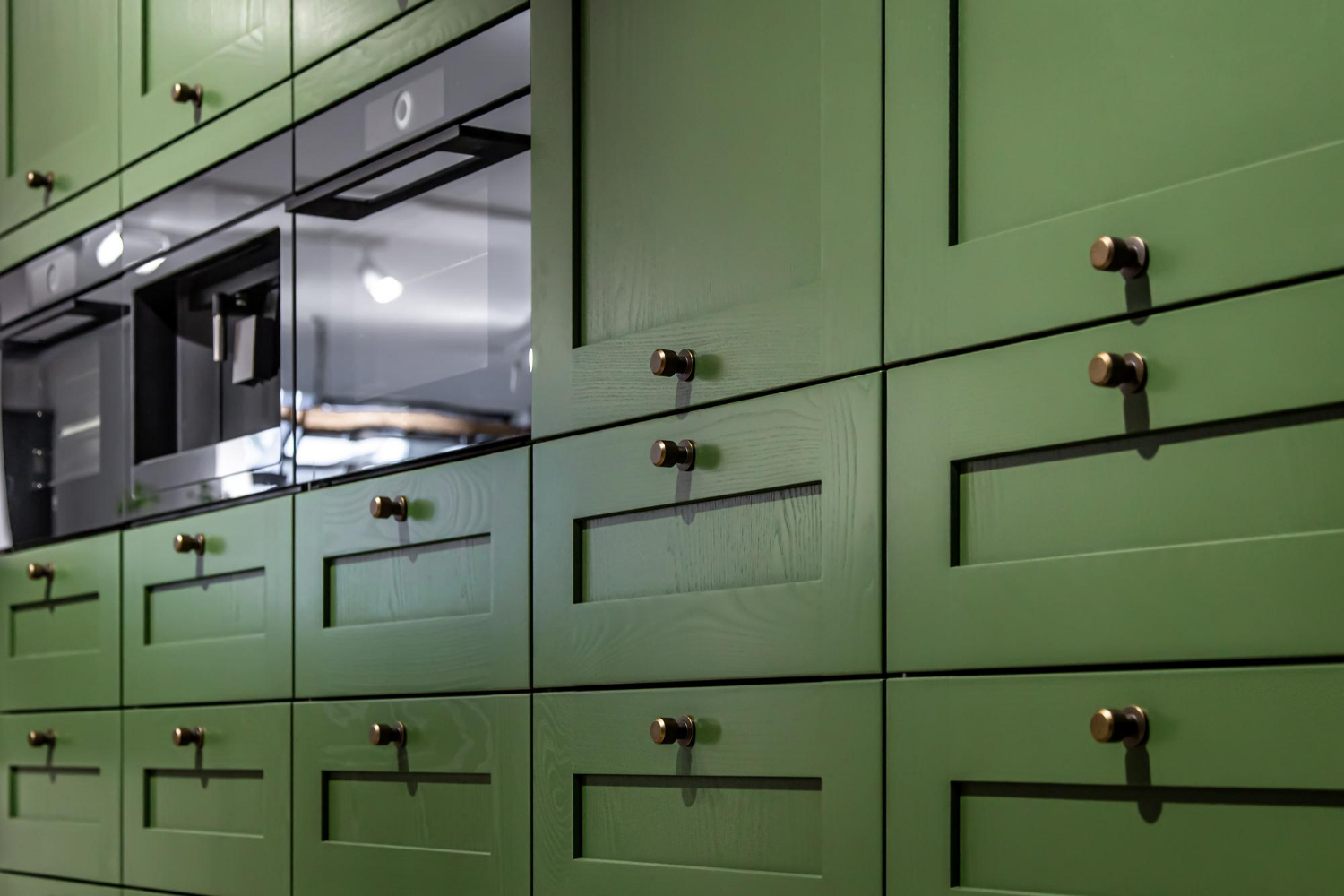
Older cabinet finishes present a different set of challenges than newly manufactured surfaces. Over time, varnishes harden, sealers build up, and layers of polish or residue settle into the wood. While the cabinets themselves may still be structurally sound, the surface conditions often complicate repainting.
Because of this, updating older cabinetry requires a more deliberate approach than simply sanding and applying a new color. The way those existing finishes respond to preparation and modern coatings can determine whether the new paint bonds properly or fails prematurely.
A professional cabinet painter understands that older finishes require careful evaluation before any refinishing work begins.
Let’s walk through how professionals approach different cabinet conditions and why these steps make a big difference.
Why Older Cabinet Finishes Are Difficult to Repaint
Cabinets that were finished years ago were often sealed with materials that behave differently from modern coatings. Oil-based varnishes, lacquer, and heavy polyurethane topcoats were designed for durability, not for easy refinishing. Over time, these finishes cure harder and become more resistant to bonding.
In addition to the original coating, older cabinets may carry layers of wax, furniture polish, grease from cooking, or residue from cleaning products. These contaminants can settle into the surface and interfere with adhesion once new paint is applied.
Common issues found on older cabinet finishes include:
- Slick varnish or polyurethane that resists primer
- Surface buildup from polish or wax
- Fine cracks in aging topcoats
- Staining or discoloration from moisture exposure
- Areas where the original finish has thinned unevenly
Because these conditions are not always visible at first glance, applying paint without proper assessment can lead to peeling, bubbling, or uneven curing. What appears to be a smooth surface may react unpredictably once sanding or primer is introduced.
This is why older finishes require a different approach than newer factory-coated cabinetry.
How a Professional Cabinet Painter Approaches Older Finishes
Repainting older cabinets requires a structured process. Each step builds on the one before it, ensuring that the new coating bonds properly and holds up over time. Skipping or rushing any stage increases the risk of early failure.
Evaluating the Existing Finish
The first step is determining exactly what is already on the surface. Older cabinets may have been sealed with oil-based varnish, lacquer, polyurethane, or multiple layers of refinishing over time.
Identifying the existing finish matters because different coatings respond differently to sanding, cleaning agents, and primers. A surface that appears smooth and stable may react unpredictably once preparation begins.
During evaluation, a professional looks for:
- The hardness and thickness of the current topcoat
- Areas where the finish has worn thin
- Signs of past refinishing attempts
- Discoloration that may indicate water exposure
This assessment determines whether the surface can be deglossed and primed or whether deeper preparation will be necessary.
Removing Contaminants and Degloss the Surface
Older cabinetry often carries years of invisible buildup. Cooking oils, cleaning products, furniture polish, and environmental residue can settle into the finish, creating a barrier that prevents new coatings from bonding.
Before sanding begins, the surface must be thoroughly cleaned to remove embedded grease and contaminants. Skipping this step can cause primer to separate or bubble.
After cleaning, sanding or deglossing creates a mechanical bond. This step reduces surface shine and allows primer to grip the existing finish rather than sitting on top of it.
Preparation may involve:
- Degreasing to eliminate residue
- Sanding to roughen slick surfaces
- Feathering chipped or cracked areas
- Smoothing uneven patches where varnish has failed
Proper preparation ensures the new coating adheres evenly across the entire cabinet surface.
Repairing Surface and Structural Defects
Older cabinets often show signs of age beyond surface wear. Wood movement, humidity exposure, and years of daily use can create structural issues that must be addressed before painting.
Common conditions include:
- Loose or lifting veneer
- Small gaps at panel joints
- Swelling from past moisture exposure
- Dents, scratches, or worn edges
Paint alone will not correct these issues. If left untreated, they can telegraph through the new finish or worsen over time.
Stabilizing and repairing the cabinet ensures that the refinished surface looks uniform and performs reliably under normal use.
Applying the Appropriate Primer
Primer selection is one of the most important decisions in the process. Older finishes often require specialty primers designed to bond to slick or previously sealed surfaces.
A professional cabinet painter selects primer based on:
- The type of existing coating
- The presence of stains or tannins
- The level of surface porosity
- Environmental conditions such as humidity
Bonding primers help adhere to hardened varnish. Shellac-based primers block stains and prevent bleed-through. In humid climates, moisture-resistant primers add an extra layer of protection.
The primer creates a stable foundation for the topcoat. Without proper compatibility, even high-quality paint can fail prematurely.
Finishing with a Cabinet-Grade Topcoat
Once the surface has been cleaned, repaired, and primed, the final coating can be applied. Cabinet-grade paints are formulated differently from wall paints. They are designed to withstand repeated handling, cleaning, and impact.
Application requires:
- Thin, controlled coats to prevent buildup
- Proper cure time between layers
- Managed airflow to support even drying
- Attention to detail around edges and profiles
In areas like Boynton Beach, where humidity can influence drying conditions, monitoring cure time is especially important. Rushing the finish stage can lead to tackiness, imprinting, or reduced durability.
When each prior step is completed correctly, the final finish cures smoothly and bonds securely to the older substrate.
What a Smarter Approach Does for Your Cabinets
Older cabinet finishes can be successfully refinished, but the outcome depends heavily on preparation and product compatibility. What appears to be a simple repainting project often involves careful evaluation of existing materials, correction of surface defects, and selection of primers designed to bond to aged coatings.
When those steps are handled methodically, older cabinets can achieve a smooth, updated appearance without replacement. When they are rushed or approached without understanding the existing finish, adhesion problems and premature wear become far more likely.
A professional cabinet painter approaches older finishes with structured assessment and controlled preparation to ensure the new coating bonds properly and performs long term. The difference is not just in the paint itself, but in the process used before it is applied.
When your cabinets in Boynton Beach need more than just a fresh coat of paint, choosing an experienced cabinet painter makes all the difference. At Benchmark Painting, we know how to bring out a smooth, updated look that endures, even on challenging or older surfaces. Let us take a closer look and offer options built for your space. Call us today to get started.
