
Which Warehouse Floor Coating Performs Best During Winter Months?
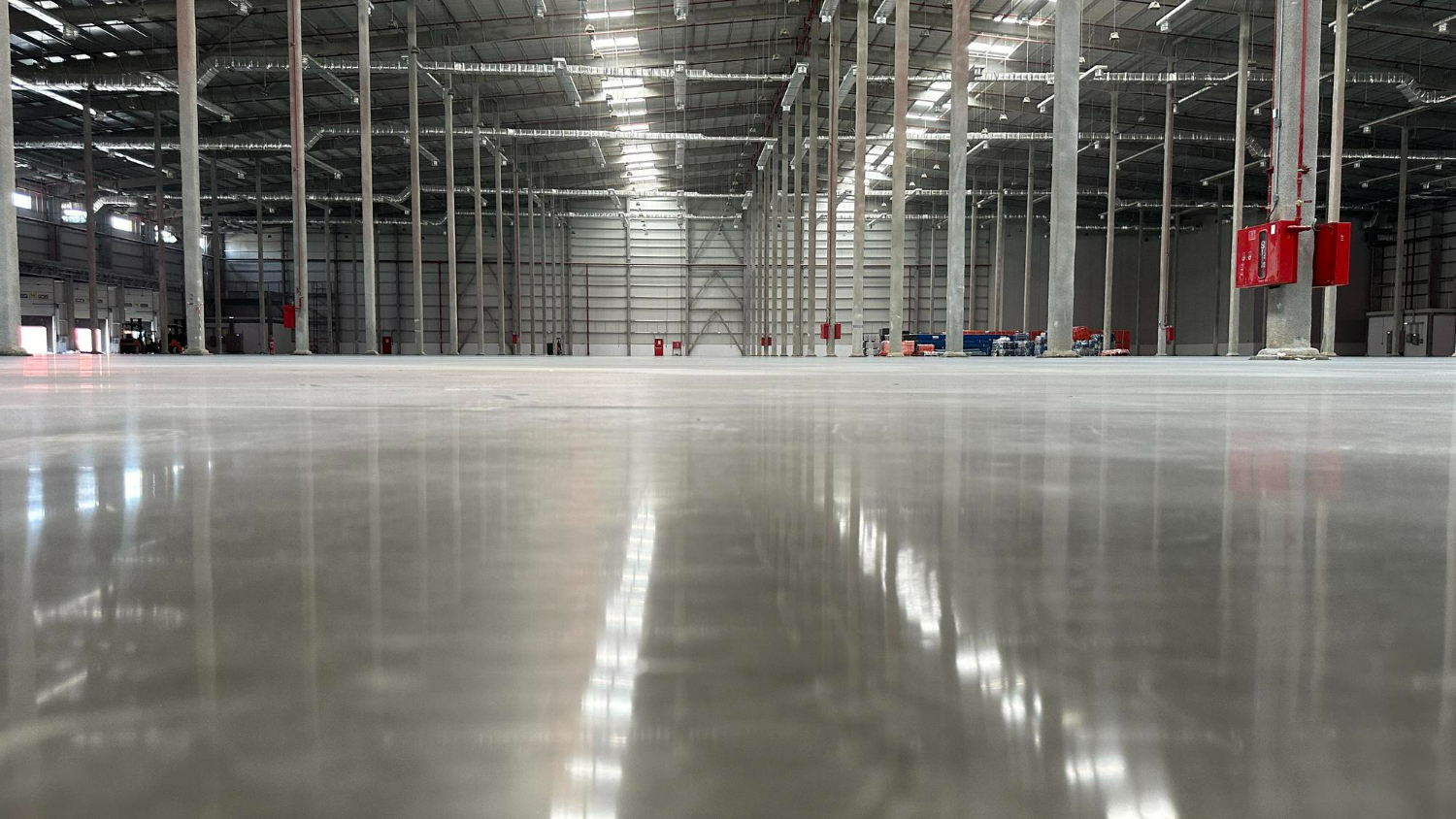
Choosing the right warehouse floor coating isn’t just about looks. It has to work well with your space, your crew, and your day-to-day operations. That becomes even more important in winter, when temperature and humidity changes can affect how coatings settle and how long they last.
In places like Boynton Beach, we don’t deal with snow, but buildings still change during the cooler months. Doors can stay closed longer, inside air gets drier, and big spaces like warehouses may shift between warm and cool depending on activity. A good floor system needs to handle all of that while still standing up to heavy rolling traffic and foot movement. In this post, we’ll look at which coatings perform best during winter and how to choose one that’s right for your space.
How Winter Conditions Affect Warehouse Floor Coating Performance
When winter rolls in, air tends to dry out. Even in Florida, where the cold is milder, humidity inside warehouses usually drops. That matters more than most people think. Less moisture in the air might seem like a good thing, but certain coatings rely on that moisture during curing. Without it, a coating might not bond properly or could end up too brittle.
On top of that, warehouses can be tricky. Large doors open and close all the time, pulling in drafts or trapping pockets of cold air. This makes it harder to control when and how coatings cure. If the surface or air gets too cold, it slows everything down. That can stretch out downtime, delay reopening, or leave the floor vulnerable to damage before it sets fully.
Using the right materials that are rated for cooler temps avoids those problems. Experience helps too. We’ve seen how improper timing with certain products results in patchy finishes or failed bonds.
Comparing Warehouse Floor Coating Options for Winter Use
Not all warehouse floor coatings respond the same way to winter conditions. Differences in curing behavior, tolerance to temperature changes, and downtime requirements can make one system more practical than another depending on how your facility operates. In colder months, those differences become more noticeable, especially in large warehouse environments where indoor conditions are harder to control.
Rather than looking for a single “best” option across the board, it’s more useful to compare how common coating systems perform under winter conditions. Factors like curing time, sensitivity to temperature and humidity changes, and how quickly a space needs to return to service all play a role. The sections below break down how epoxy, polyaspartic coatings, and urethane topcoats typically perform during winter months, so you can better evaluate which system aligns with your operational needs.
Epoxy Coatings
Epoxy might be the most recognized option for warehouse floors, and for good reason. It’s strong, durable, and known for that glossy, professional finish. It performs especially well in spaces with steady, controlled climates.
That said, epoxy doesn’t love colder temperatures. If the surface dips too low or if interior humidity vanishes during winter, curing can slow down. That might not be a concern in smaller, temperature-steady environments, but in large open warehouses, delayed curing means added downtime.
It’s not something to avoid altogether but something to time well. If your space lets you control indoor temps or if you have a planned shutdown or maintenance period during the winter, epoxy can still be a smart choice. Just make sure you partner with a team that knows how to prep and apply it under winter conditions.
Polyaspartic Coatings
If curing time is a concern in winter, polyaspartic coatings are often the better fit. Unlike epoxy, this material sets quickly and is less affected by temperature swings. That makes it ideal for active warehouses that can’t afford long shutdowns.
One of the biggest advantages of polyaspartic resin is its flexibility in weather fluctuations. It sticks and bonds well even when the air is drier or cooler than average. That means fewer delays, fewer problems, and a better safety margin during busy times.
Fast-drying doesn’t mean cutting corners. Polyaspartic coatings still provide durable defense against wear, skid marks from forklifts, and abrasion from foot traffic. If your building sees regular volume and needs quick turnaround, this material is worth considering.
Urethane Topcoats
Sometimes, one layer just isn’t enough. That’s where urethane topcoats come in. These aren’t usually used on their own but are applied over something like epoxy or polyaspartic base coats. They serve as a shield, especially in spots that get heavy foot traffic or equipment wear.
During winter months in places like Boynton Beach, urethane stands up well to temperature changes inside large buildings. It doesn’t yellow, peel, or crack when the warm air inside competes with cooler air outside. That keeps warehouse floors looking cleaner and working longer, without constant touch-ups.
They’re especially helpful in areas like loading docks, rolling lanes, or break zones where traffic and pressure build up often during the day. In these spaces, everyday protection makes a big difference down the line.
Picking the Best Floor Coating for Your Warehouse
Winter might not freeze Florida’s roads, but it still affects your floor. That’s why it’s important to match your warehouse’s needs to the coating that will work best.
Ask questions like:
- Can you pause operations for drying time?
- Are your interior temperatures steady or always changing?
- How much traffic moves across your space each day?
If your space can’t afford long drying periods, polyaspartic might be the right move. If you need glossy protection and have downtime flexibility, epoxy may still win. Urethane helps if your floor already has a base layer but needs a final defense against the daily grind.
The best outcomes don’t just depend on picking the right material. Experience with local conditions and seasonal timing make just as big a difference.
Why Winter Is a Smart Time to Coat Commercial Floors
Winter might not mean icy storms or slushy shoes in South Florida, but it still creates a perfect window for warehouse work. Foot traffic tends to slow, business events pause, and there’s often breathing room between shipping deadlines.
That slower pace makes it easier to schedule floor projects without disrupting your flow. Seasonal cleaning often happens between December and January too, meaning this is the moment when spaces are most accessible and least cluttered.
A new floor coating in winter helps start the new year strong. It keeps your space safer, cuts down dirt buildup, and adds visual polish when conditions are just right for long-lasting results.
With the right prep, the right material, and the right timing, winter is a great time to make lasting changes underfoot. We’ve seen it work countless times in Boynton Beach warehouses, and it continues to be one of the busiest indoor project seasons for a reason.
Planning a winter update in Boynton Beach? We can help you keep things running smoothly with the right warehouse floor coating for your space and seasonal conditions. At Benchmark Painting, we work with a variety of commercial buildings and know how to match materials to local needs for dependable, long-lasting results year-round.
