
Drywall Repair Tips for Homes Facing Humid Winters
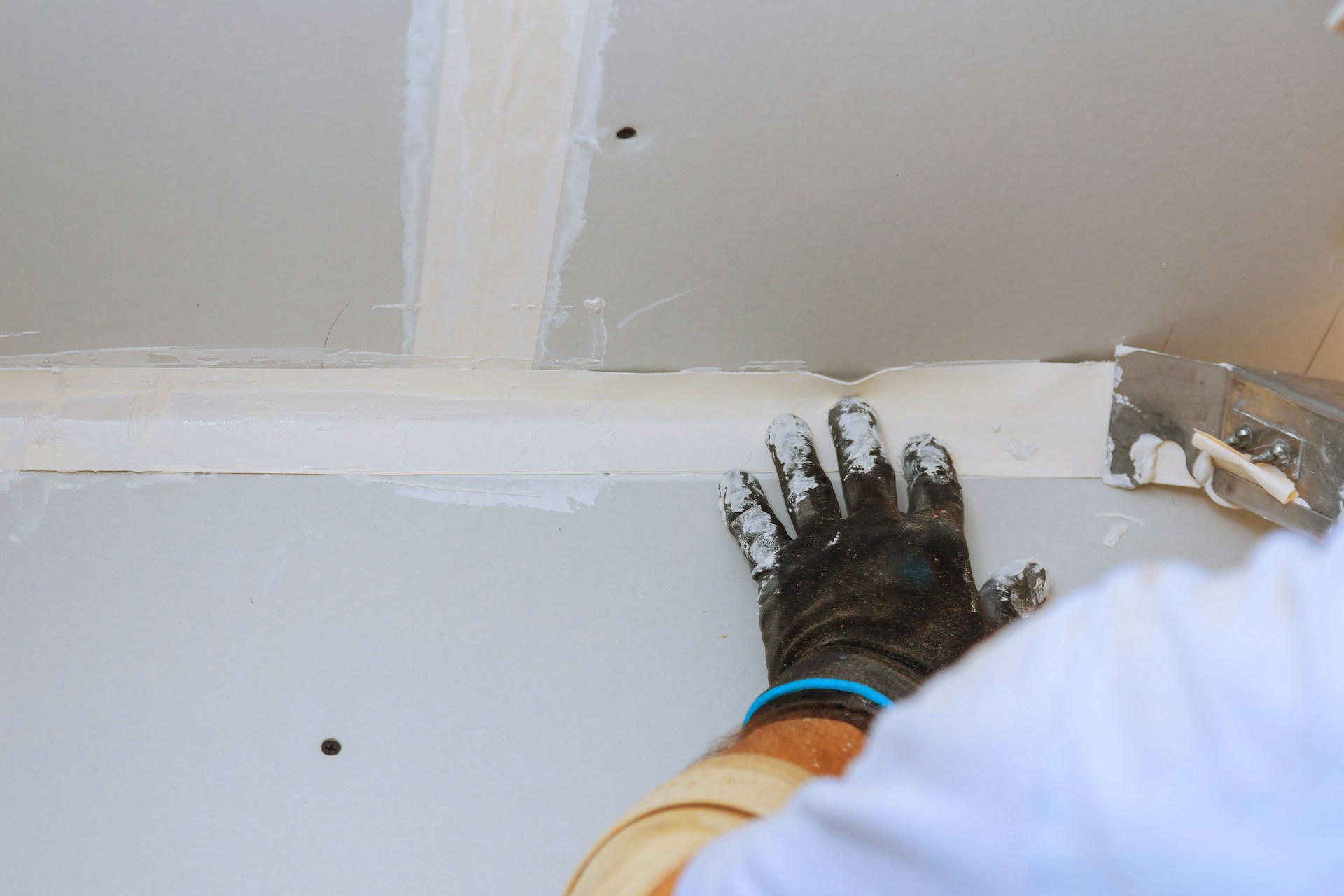
Winter in Boynton Beach isn’t cold and dry—it’s cool, humid, and often damp indoors. When homes stay sealed up to keep the cooler air inside, that trapped moisture can settle quietly into your walls. Over time, that hidden humidity leads to bubbling paint, soft drywall, and mildew stains that seem to appear out of nowhere.
If you’ve noticed even small signs of moisture damage, winter is one of the most important times to stay ahead of drywall issues. Here are practical drywall repair tips to help you protect your home during humid winters in South Florida.
Tip 1: Know the Early Signs of Moisture-Damaged Drywall
Humidity can creep into walls long before homeowners realize what’s happening. If indoor air feels damp—especially in older homes or rooms with limited ventilation—drywall may begin to absorb that moisture.
Watch for these early warning signs:
- Bubbling or peeling paint, which often means trapped moisture beneath the surface.
- Soft or spongy drywall, showing that the panel is starting to break down.
- Dark patches or mildew stains, especially around bathrooms, laundry rooms, or behind large furniture.
- Persistent musty smells, even after cleaning.
Moisture doesn’t only come from outdoors. Long hot showers, indoor cooking, dryers, and even heating systems introduce warm, damp air into the home. Without good ventilation, that moisture settles into the walls and lingers.
Catching these signs early keeps repairs smaller, quicker, and more affordable.
Tip 2: Prep Walls Properly Before Painting in Humid Weather
Drywall repairs done during humid winters need more care than usual. Moisture slows down how joint compound dries, affects how primer bonds, and can cause paint to bubble if the wall isn’t fully dry beneath the surface. In Boynton Beach, walls often hold onto humidity longer than homeowners expect, even when they feel dry to the touch.
To avoid future peeling or soft spots, repair crews adjust the prep process during damp months. That often means:
- Checking deeper moisture levels with meters instead of relying on surface dryness
- Allowing extra drying time between mudding or priming stages
- Using fans or airflow to move humid air away from repaired areas
These extra steps may stretch the timeline slightly, but they make the repair last. In a climate where moisture is always present, proper prep is the difference between a finish that holds up and one that fails again within weeks.
Tip 3: Know Whether Your Home Has Drywall or Plaster (It Matters)
Many Boynton Beach homes—especially older ones—use a combination of drywall and plaster. Because each material reacts differently to humidity, the repair approach also has to change.
Drywall tends to absorb moisture quickly. When it does, you’ll often see bubbling paint, soft patches, or areas that sag slightly after a humid spell. Plaster, on the other hand, is denser but can crack or separate from the lath behind it when dampness works its way in. Homes built before the 1970s may even have plaster in some rooms and drywall in newer additions.
Knowing what type of walls you have helps your repair team:
- Choose the right products to stabilize the material
- Adjust drying times based on how each wall type absorbs moisture
- Protect older or historic finishes when plaster is involved
Because humidity affects each material differently, identifying the wall type early prevents mid-project surprises and ensures the repairs hold up through the season.
Tip 4: Help Your Repair Team Work Efficiently in Humid Seasons
The best results happen when homeowners team up with repair and painting crews by doing a few simple things before the job starts. These steps make a big difference, especially in winter months when it’s tougher to keep indoor areas dry and dust-free:
- Move furniture and store valuables out of repair and painting rooms. It keeps them safer during repairs and gives crews space to work.
- Set some time before the crew arrives to do a quick walkthrough. This helps you point out cracked corners, soft spots, or places you think might need extra attention.
- Make a plan for kids, pets, or guests while work is happening, so crews can focus and the household stays calmer.
- Ask questions about anything you’re unsure about, like how long repairs might take or how much space needs to stay clear. Staying in the loop prevents delays.
These simple steps help the crew get started faster, stay on schedule, and catch small wall problems before they grow into bigger ones. They also help avoid last-minute surprises that can slow things down. We’ve learned over the years how much smoother things go when the home is ready ahead of time.
Tip 5: Support the Repairs After the Job Is Done
Humidity can still affect your walls even after repairs are complete. To protect fresh drywall work during winter, you may need to adjust airflow and moisture levels around your home.
Helpful habits include:
- Opening windows when weather allows to release humid indoor air.
- Using bathroom and kitchen fans during and after showers or cooking.
- Running small fans or dehumidifiers in problem areas with poor ventilation.
- Checking high-moisture rooms for recurring stains or soft spots.
Proper airflow helps new repairs cure evenly and keeps surfaces looking fresh through the season.
Keep Your Walls Strong Through Seasonal Changes
Humidity doesn’t wait for summer. In Boynton Beach, the cooler season still brings moisture that slowly works its way into walls. Even small signs—like soft patches or bubbling paint—can point to bigger issues beneath the surface.
By spotting early warning signs, prepping walls correctly, and supporting repairs afterward, you can keep your drywall looking great and performing well all winter long. When handled the right way, drywall repairs completed in humid seasons can last just as long as those done in dry weather.
At Benchmark Painting, we understand how frustrating moisture-related drywall damage can be. If your walls are starting to feel soft or show signs of wear, now is a smart time to schedule professional drywall repair in Boynton Beach so your home stays protected year-round.
