
Which Warehouse Floor Coating Is Built for South Florida Winters
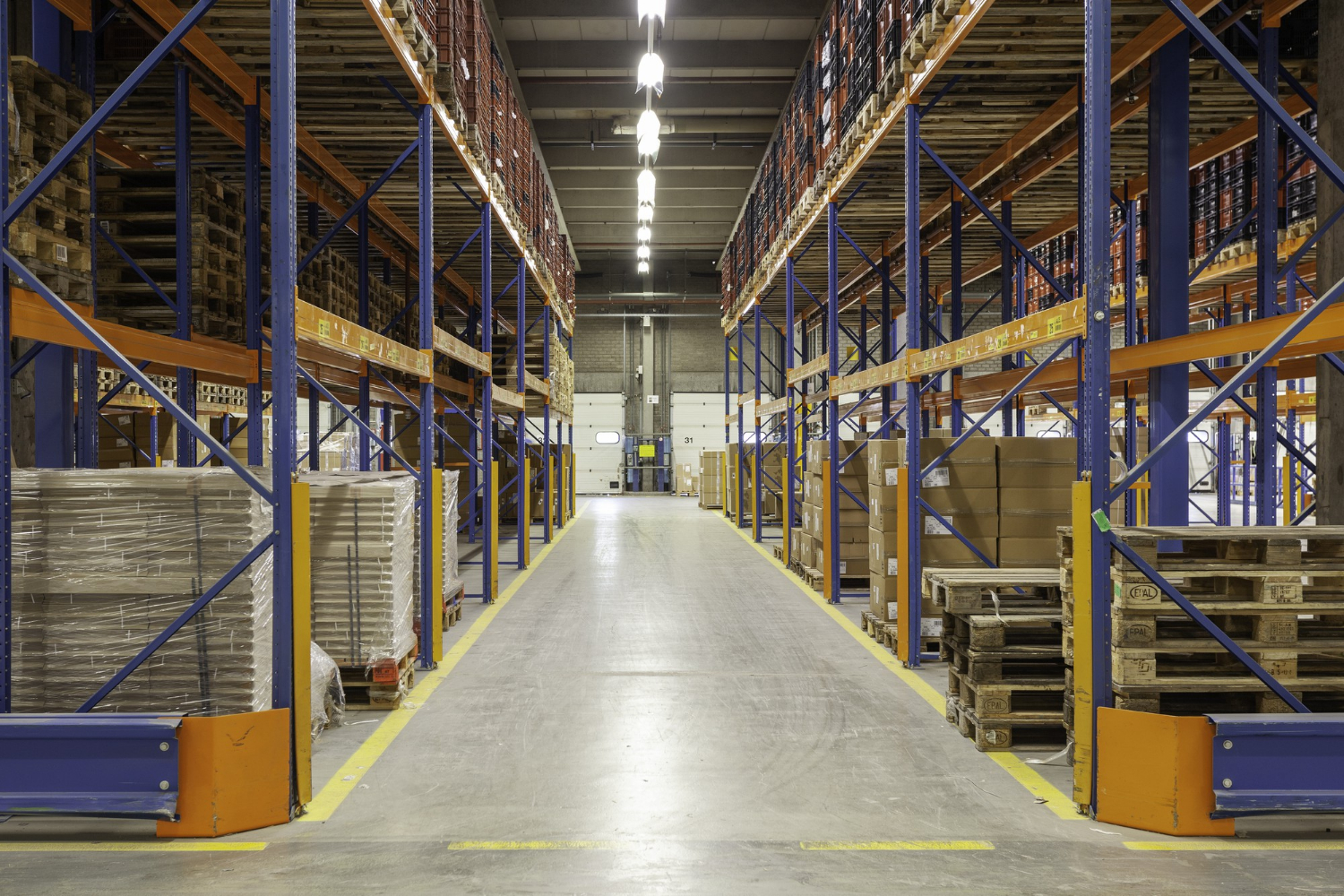
Choosing a warehouse floor coating in South Florida looks different than it does in colder regions. Winter here doesn’t mean snow or freezing temperatures, but it does bring higher humidity, moisture buildup, and cooler conditions that can still affect concrete floors and coatings over time.
For warehouses, these seasonal changes matter. Moisture tracked in through loading bays, condensation on cooler mornings, and ongoing forklift and foot traffic all place stress on floor surfaces. The right coating can help maintain safety, durability, and day-to-day operations, while the wrong choice can lead to premature wear or ongoing maintenance issues.
This guide walks through how South Florida winter conditions affect warehouse floors, how common coating options perform in those conditions, and what factors to consider when choosing the right coating for a commercial or industrial space.
How South Florida Winter Conditions Affect Warehouse Floors
South Florida winters create a different set of challenges for warehouse floors than colder climates, but the impact is still significant. Cooler mornings, higher humidity, and frequent moisture exposure can affect how concrete surfaces and coatings perform over time, especially in large, non-climate-controlled spaces.
Humidity is one of the biggest factors during the winter months. Moisture in the air can condense on concrete surfaces when temperatures drop overnight, creating damp conditions even without rain. If floors are not properly sealed, this moisture can seep into the concrete or beneath coatings, leading to adhesion issues and surface breakdown.
Moisture is also introduced through daily operations. Rainwater and condensation are tracked in through loading bays, dock doors, and entry points. These areas often remain damp longer than interior zones, increasing the risk of slick surfaces and uneven wear.
Winter conditions affect warehouse floors in several key ways:
- Condensation forms on cooler concrete surfaces
- Tracked-in moisture collects near doors and loading areas
- Humidity slows drying and curing for some coatings
- Repeated exposure accelerates wear in high-traffic zones
In warehouses without full climate control, temperature and humidity fluctuations are more pronounced. Over time, these conditions expose weaknesses in floor coatings that aren’t designed to handle moisture or seasonal variability, making winter an important consideration when selecting a warehouse floor coating.
How Common Warehouse Floor Coatings Perform in South Florida Winters
Not all warehouse floor coatings respond the same way to South Florida’s winter conditions. Moisture tolerance, curing behavior, and resistance to ongoing traffic all play a role in how well a coating performs once humidity and seasonal variability are introduced.
Epoxy coatings are widely used in warehouses because of their strength and long-term durability. When installed under the right conditions, epoxy creates a dense surface that protects concrete from wear.
Epoxy performs well in winter because it offers:
- Strong resistance to heavy forklift and foot traffic
- A hard, durable surface that protects concrete long term
- Good performance in controlled indoor environments
However, epoxy is more sensitive to moisture during installation. High humidity or residual moisture in the slab can lead to adhesion issues if conditions are not properly managed.
Polyaspartic coatings are often selected when speed and flexibility are priorities. These systems cure quickly, allowing warehouse areas to return to service faster.
Polyaspartic coatings are commonly used because they:
- Cure rapidly, reducing downtime
- Tolerate moisture fluctuations better during installation
- Perform well in facilities with tight scheduling needs
Their fast cure time makes them especially useful in active warehouses where extended shutdowns are not realistic.
Urethane systems are typically used as a protective top layer rather than a standalone coating. They enhance the performance of base coatings and help floors withstand long-term use.
Urethane topcoats are valued for:
- Improved abrasion resistance
- Added traction in moisture-prone areas
- Increased resistance to chemicals and temperature changes
Each coating type offers different strengths under winter conditions. Using lists to compare these characteristics makes it easier to match coating performance to humidity levels, traffic demands, and operational requirements instead of relying on a one-size-fits-all approach.
Factors That Influence Coating Performance Beyond Material Choice
Choosing a warehouse floor coating isn’t only about the product itself. Even the right coating can underperform if the conditions around installation and use aren’t taken into account. In South Florida, winter performance is often shaped by factors that go beyond material type.
Surface preparation is one of the biggest influences on long-term results. Concrete needs to be properly cleaned, profiled, and tested before any coating is applied. Moisture trapped in the slab or contaminants left on the surface can prevent coatings from bonding as intended.
Preparation-related issues often lead to:
- Peeling or delamination over time
- Bubbling caused by moisture vapor pressure
- Weak spots that wear faster under traffic
Installation conditions also matter. Temperature, humidity, and airflow during application affect how coatings cure and adhere. Winter mornings with cooler temperatures and higher humidity can introduce challenges if conditions aren’t controlled.
Operational use plays a role as well. Traffic patterns, equipment weight, and daily wear vary widely from one facility to another. Areas near loading docks, aisles with constant forklift movement, or zones exposed to moisture tend to break down faster if the coating system isn’t matched to those demands.
Key performance influences include:
- Concrete condition and moisture levels
- Environmental conditions during installation
- Traffic volume and equipment type
- Exposure to moisture, chemicals, or abrasion
These factors help explain why the same coating can perform well in one warehouse and struggle in another. Looking beyond material choice allows facilities to plan flooring systems that hold up more consistently through winter conditions.
Long-Term Advantages of Winter-Ready Coatings
Selecting coatings suitable for humid, high-traffic warehouses provides lasting benefits. Quality coatings reduce the need for frequent maintenance, withstand repeated exposure to moisture, and maintain surface stability over multiple seasons. Floors remain slip-resistant, visually appealing, and capable of supporting the weight of heavy machinery and constant movement.
For commercial facilities in Boynton Beach and surrounding areas, coatings such as epoxy, polyaspartic, and urethane offer reliable protection against moisture, mechanical wear, and temperature fluctuations.
Making the Right Winter Flooring Choice for South Florida Warehouses
Choosing the right warehouse floor coating for South Florida winters comes down to how the floor handles humidity, moisture exposure, and constant traffic. While winter conditions here look different than colder climates, they still place real stress on concrete and coatings, especially in active warehouse environments.
Understanding how epoxy, polyaspartic, and urethane systems perform under these conditions helps narrow down the right option for each facility. Just as important are preparation quality, installation conditions, and how the space is used day to day. When those factors are aligned, warehouse floors are more likely to hold up through winter and continue performing long term.
If your facility needs a warehouse floor coating that can handle South Florida’s winter conditions, schedule a consultation. We assess your space, recommend the right coating system, and plan installation to reduce downtime while delivering durable, high-performance results.
